Road · United Arab Emirates
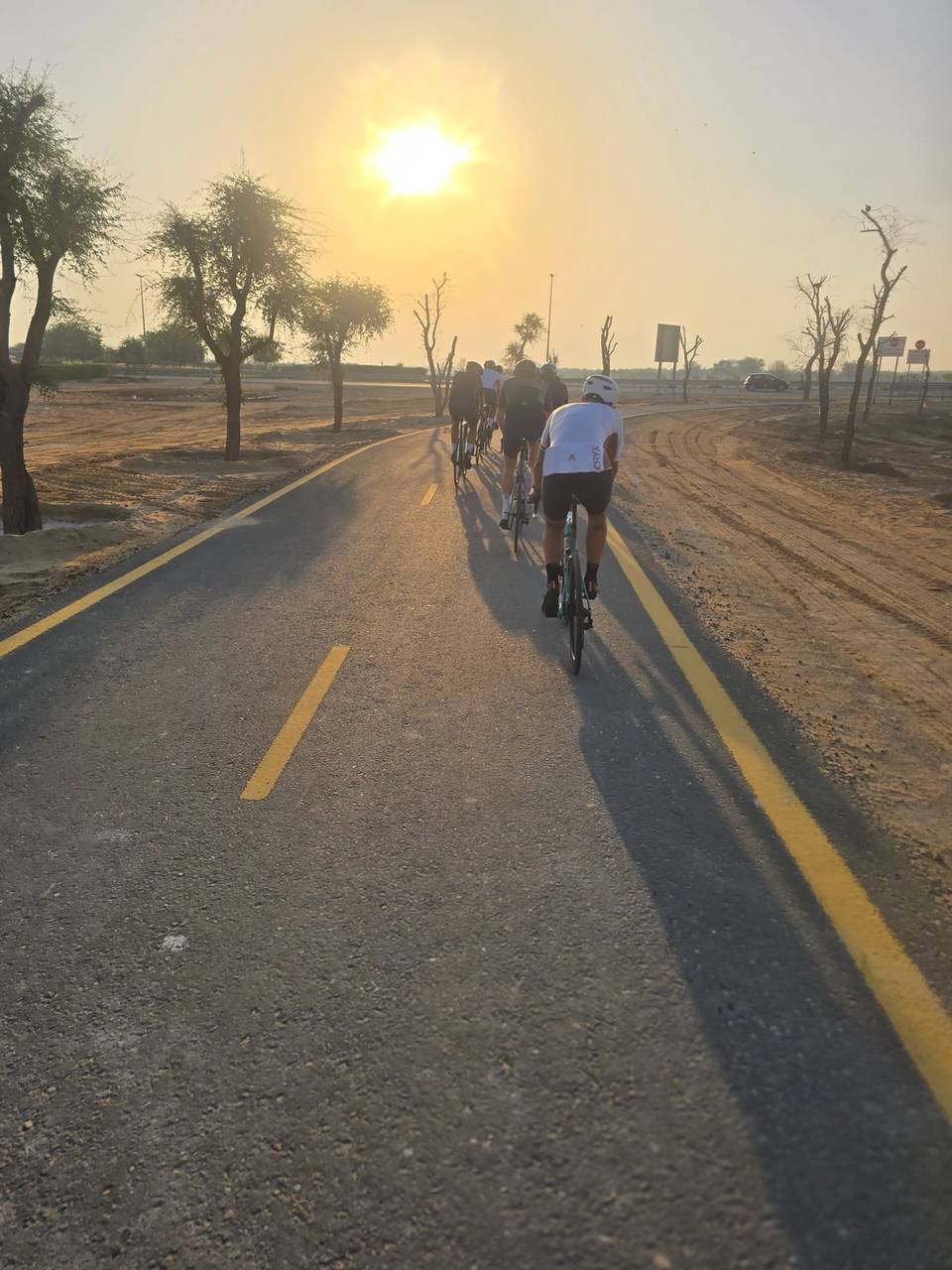
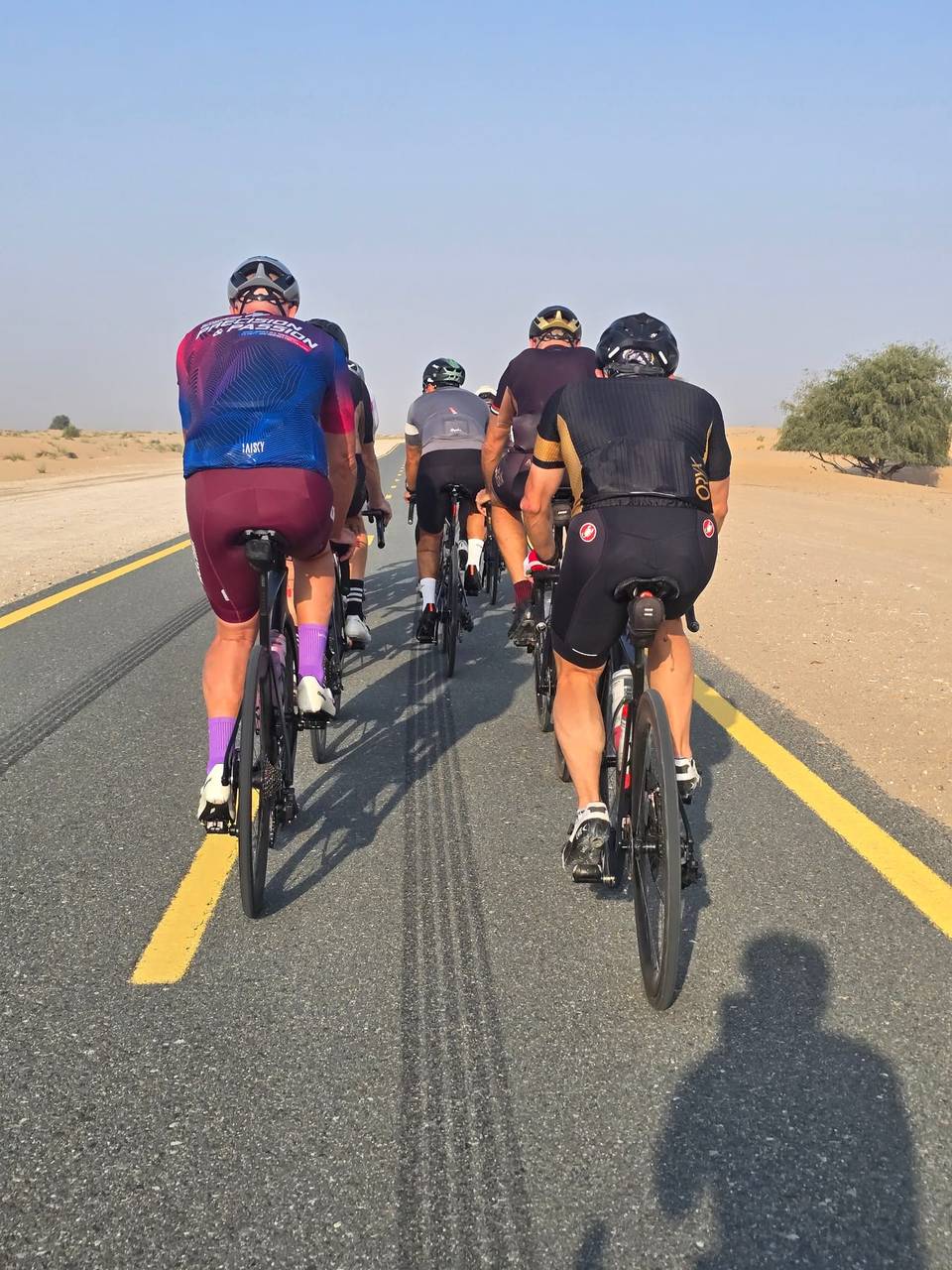
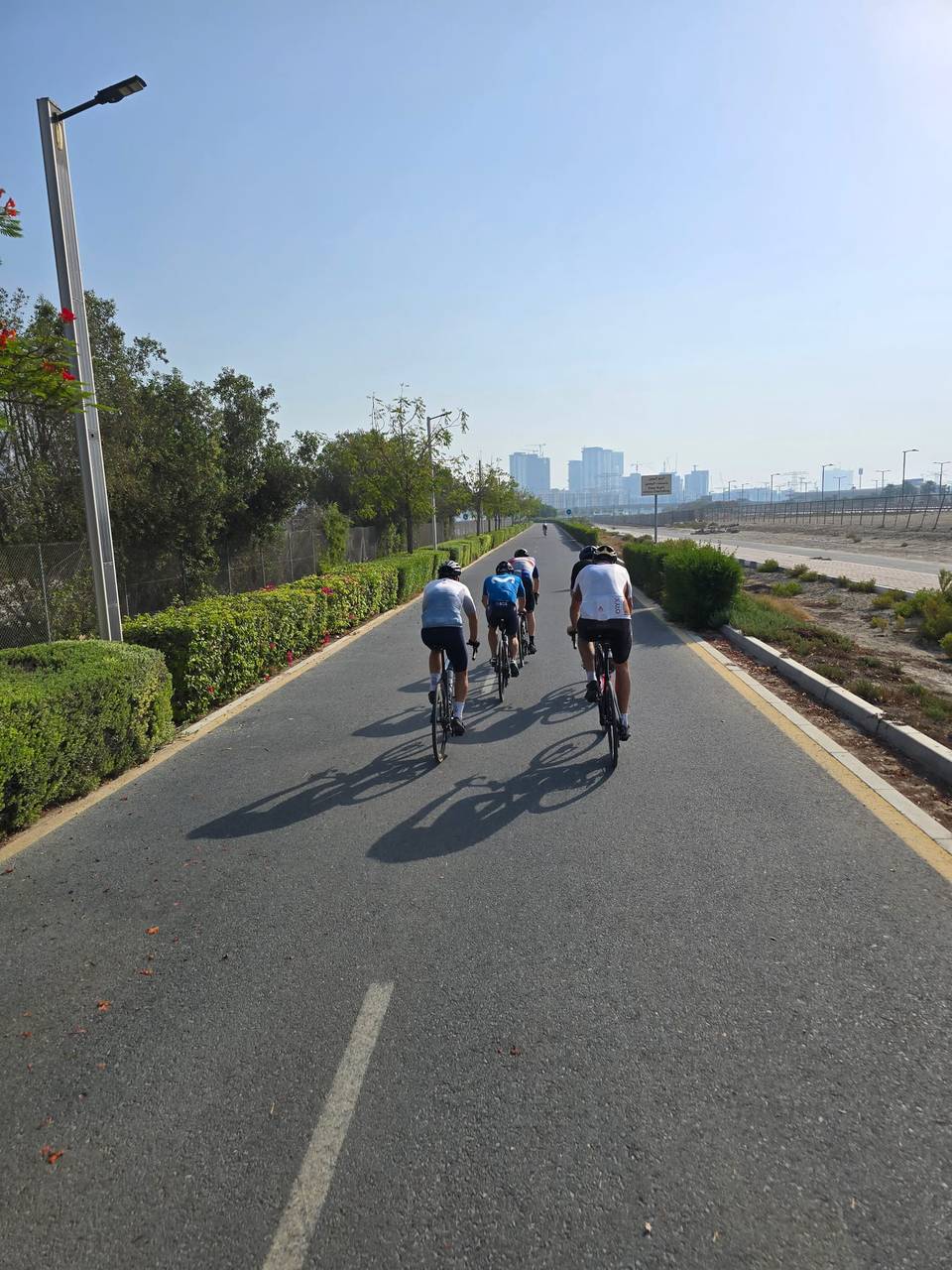
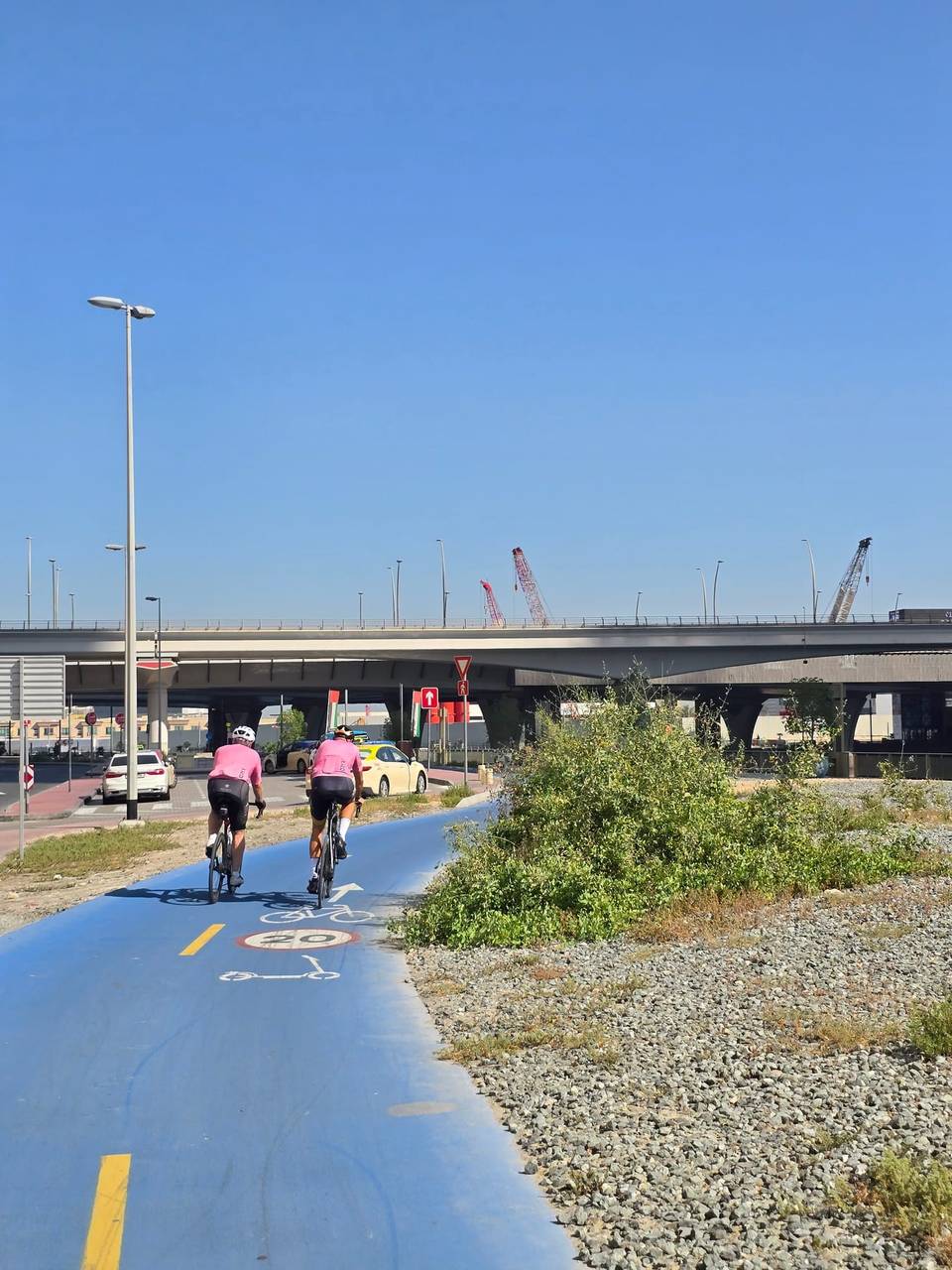
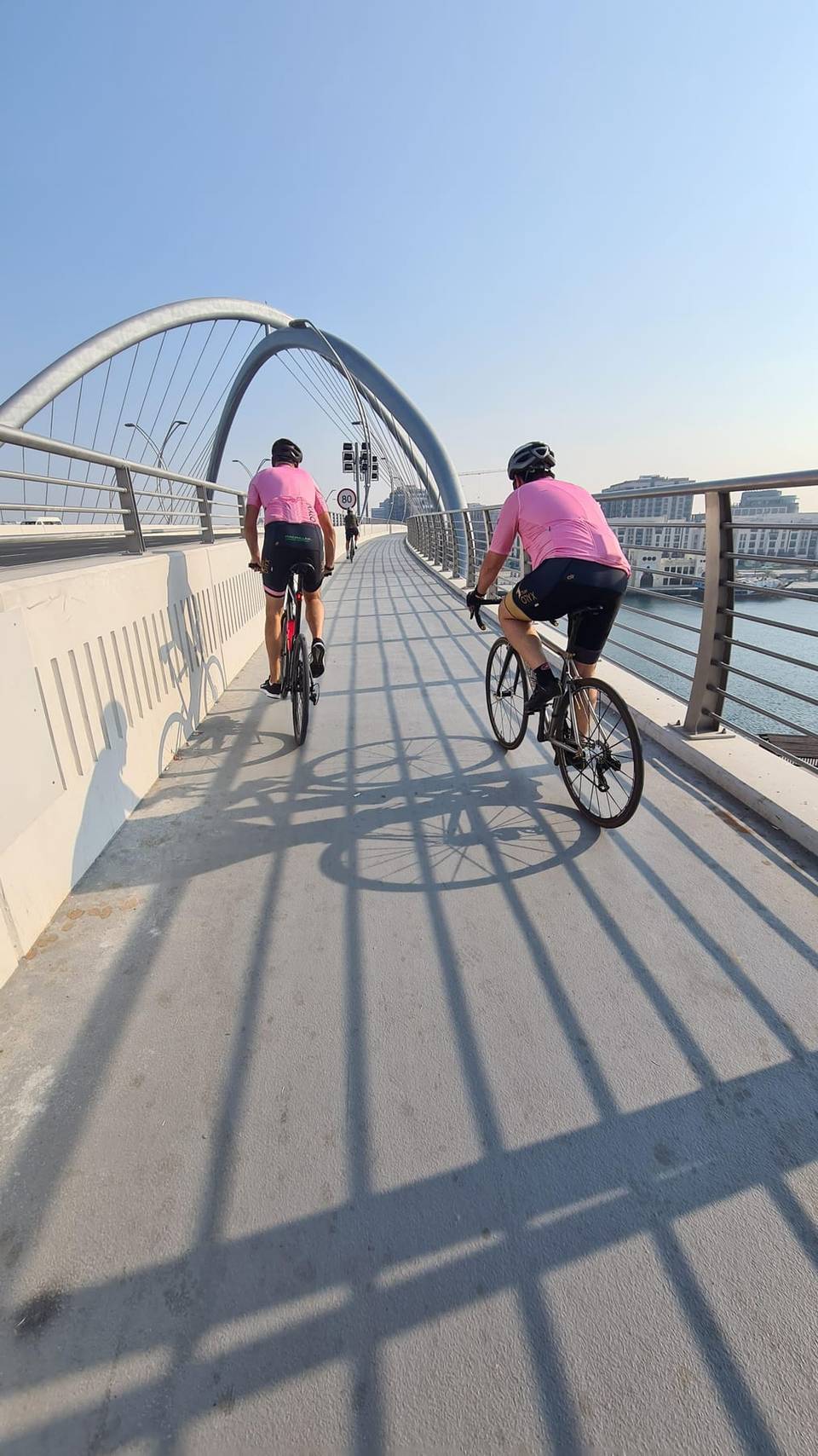
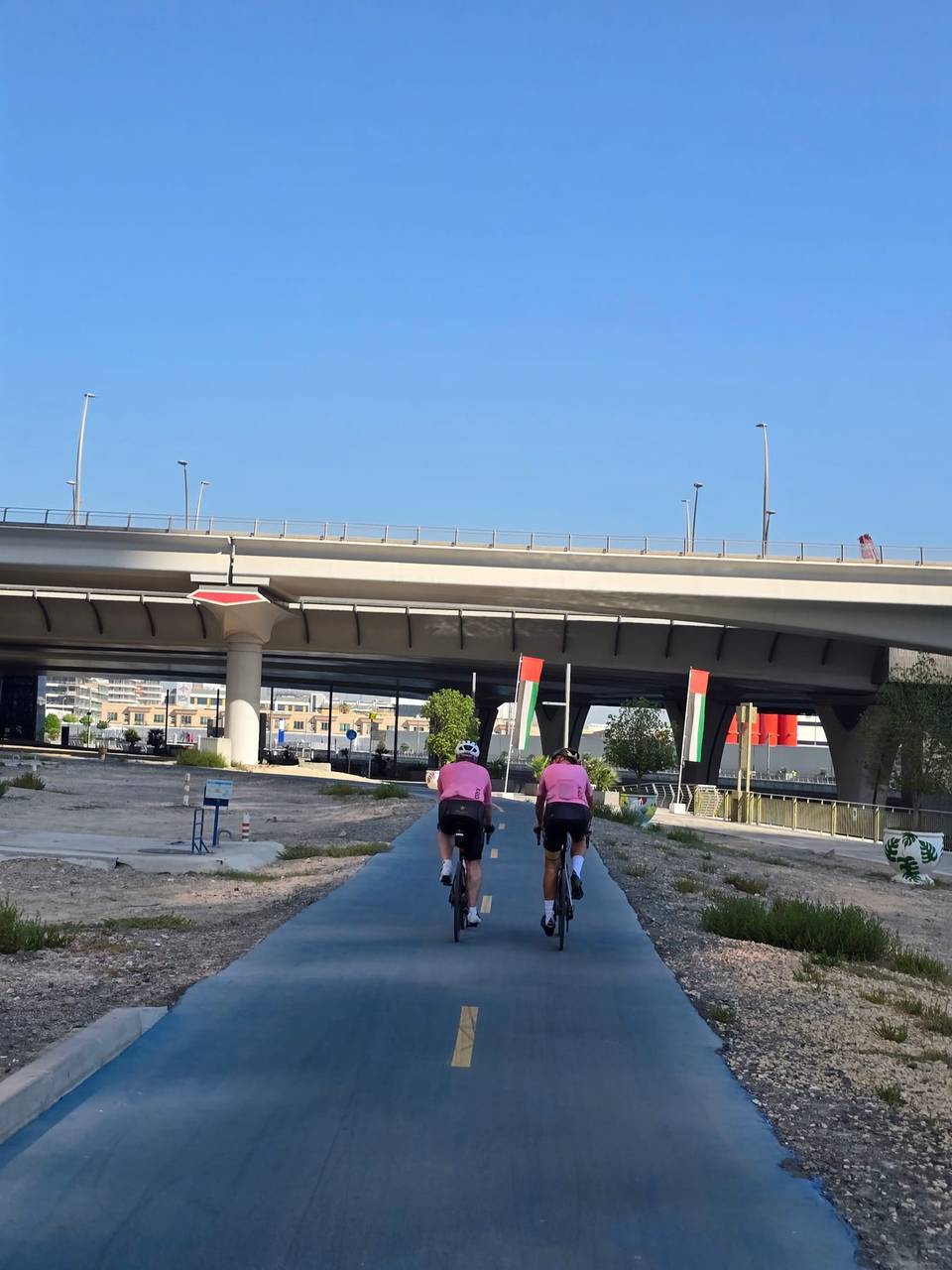
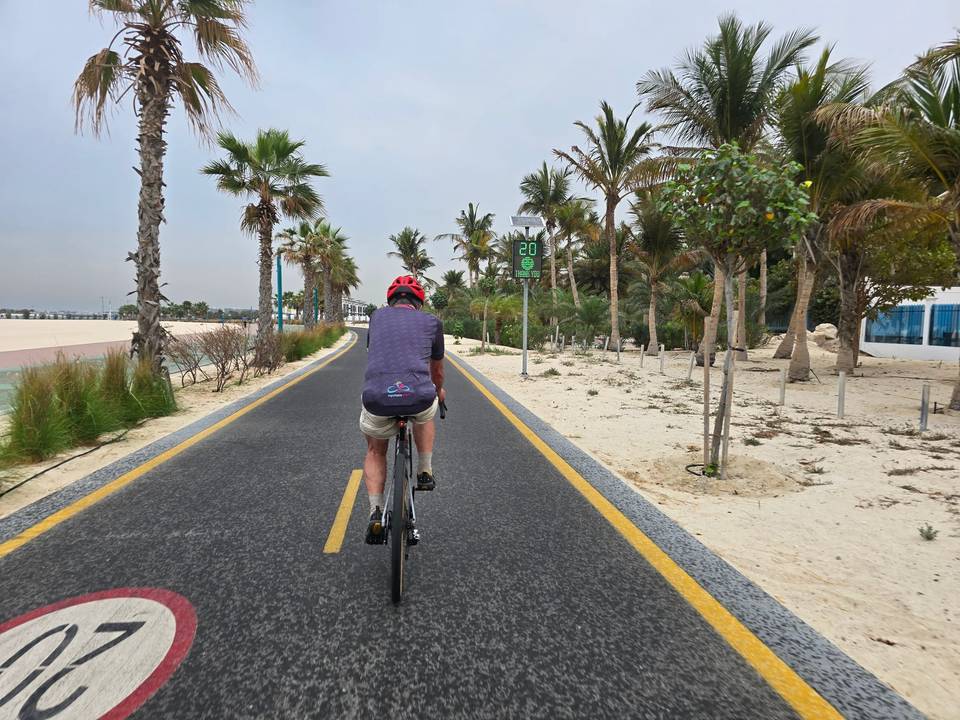
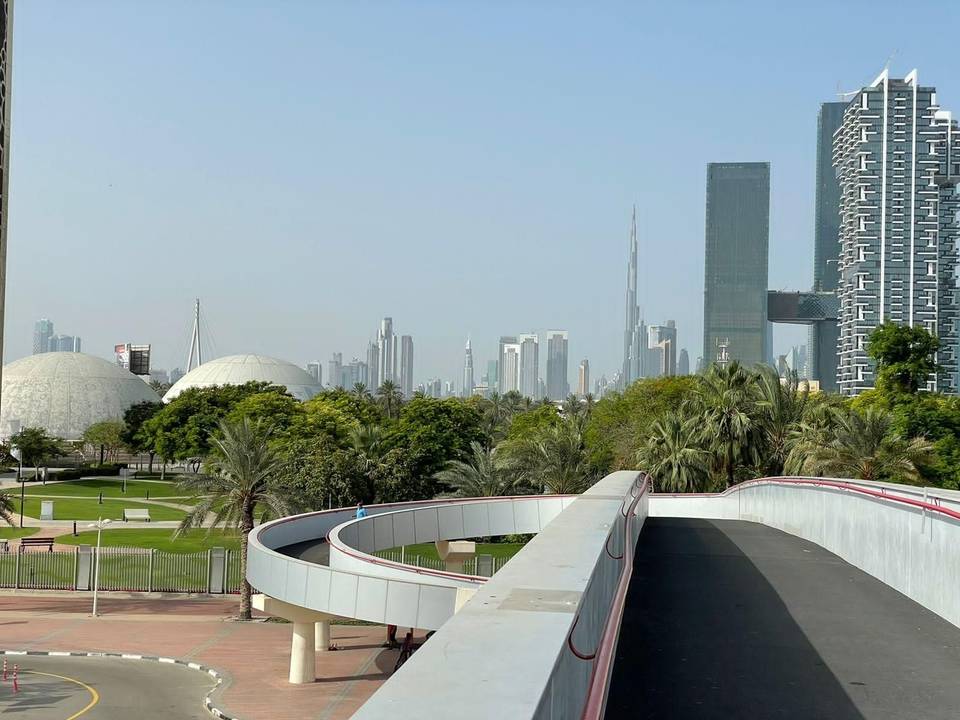
Dubai offers predominantly flat road cycling with extensive cycle paths, moderate climbs, and routes mainly starting from Dubai city.
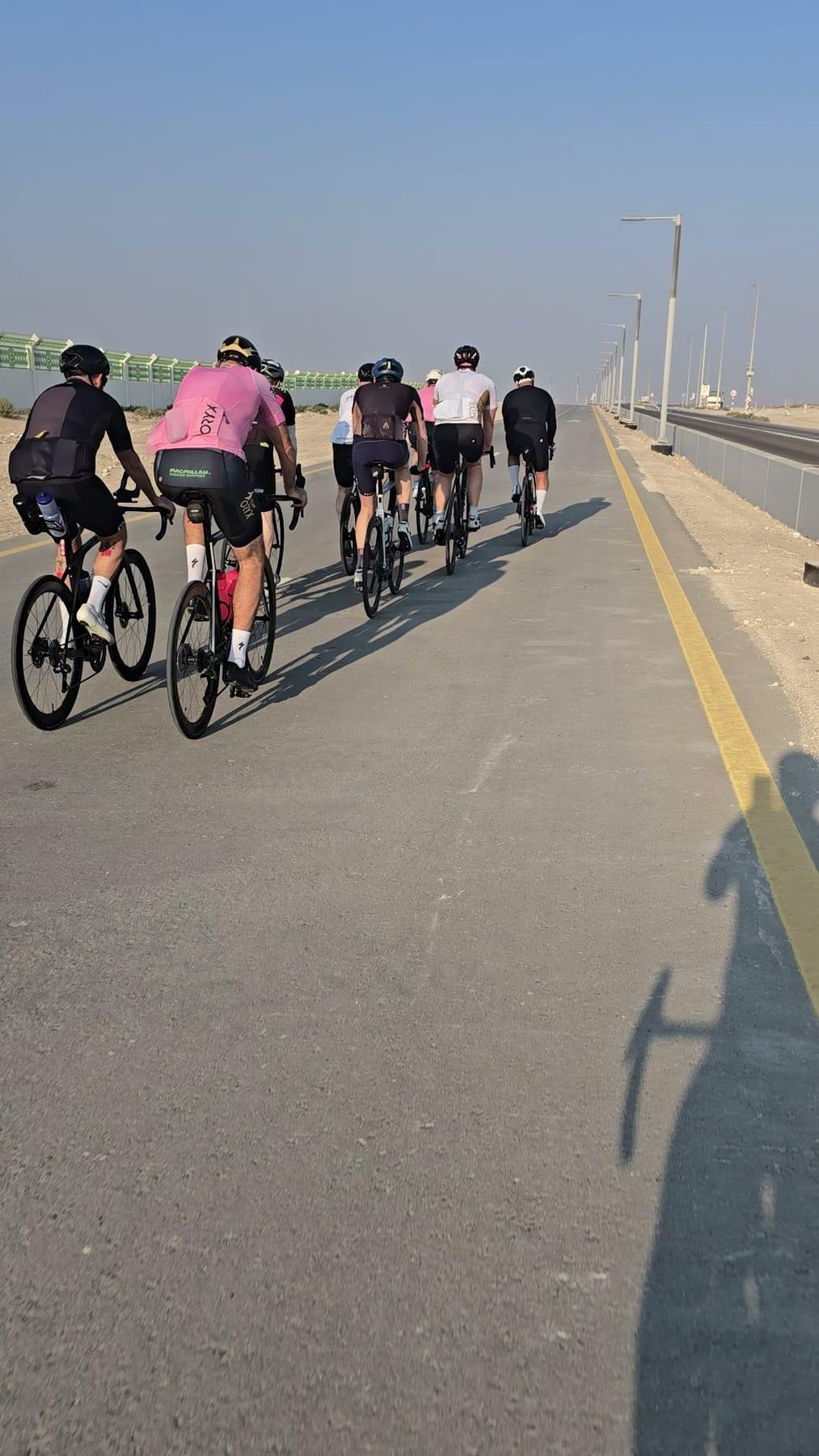
Dubai's cycling network comprises 28 routes ranging from 31 km to 170 km, with a median of 61 km. All routes start from Dubai, with most (21) being loops, and others point-to-point or out-and-back. The terrain is largely flat, with a small proportion of climbing, the steepest route reaching 12.4% over 500 m and the biggest day out the 170 km Al Qudra to Jebel Hafeet route, which crosses into Abu Dhabi to finish on the mountain itself in Al Ain (1029 m of climbing).
Half the roads used are cycle paths (50%), with paved surfaces covering 92% of the network and minimal unpaved sections. Main roads without cycle lanes constitute a significant portion (437.1 km), and roads with speed limits of 80 km/h or more total 212.5 km. The region experiences high temperatures year-round, with the best months for riding being December to February when daily highs range from 25°C to 31°C.
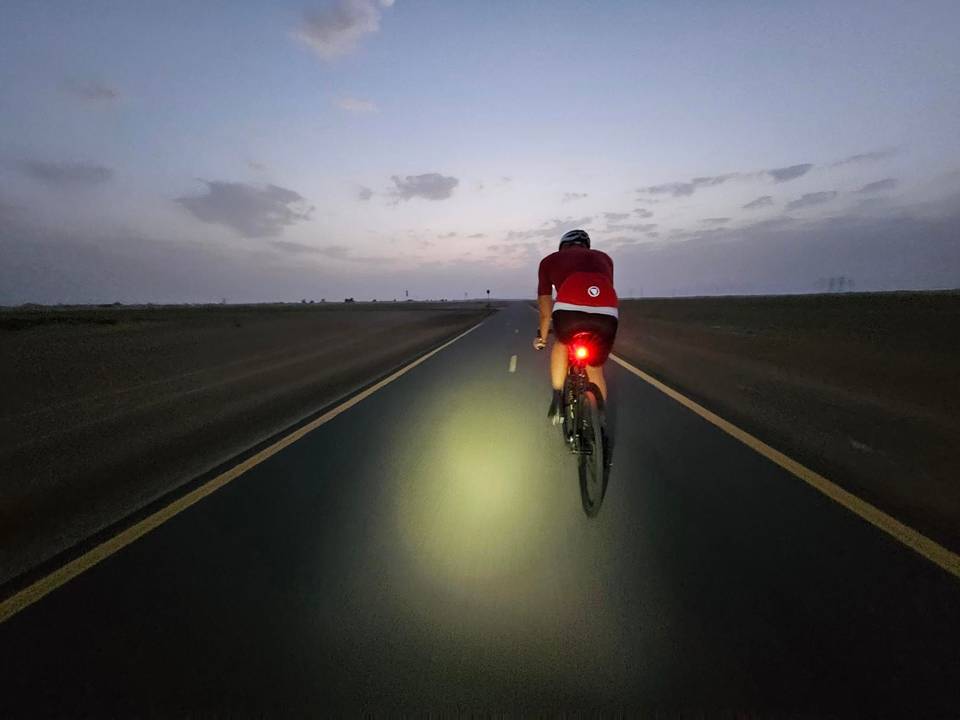
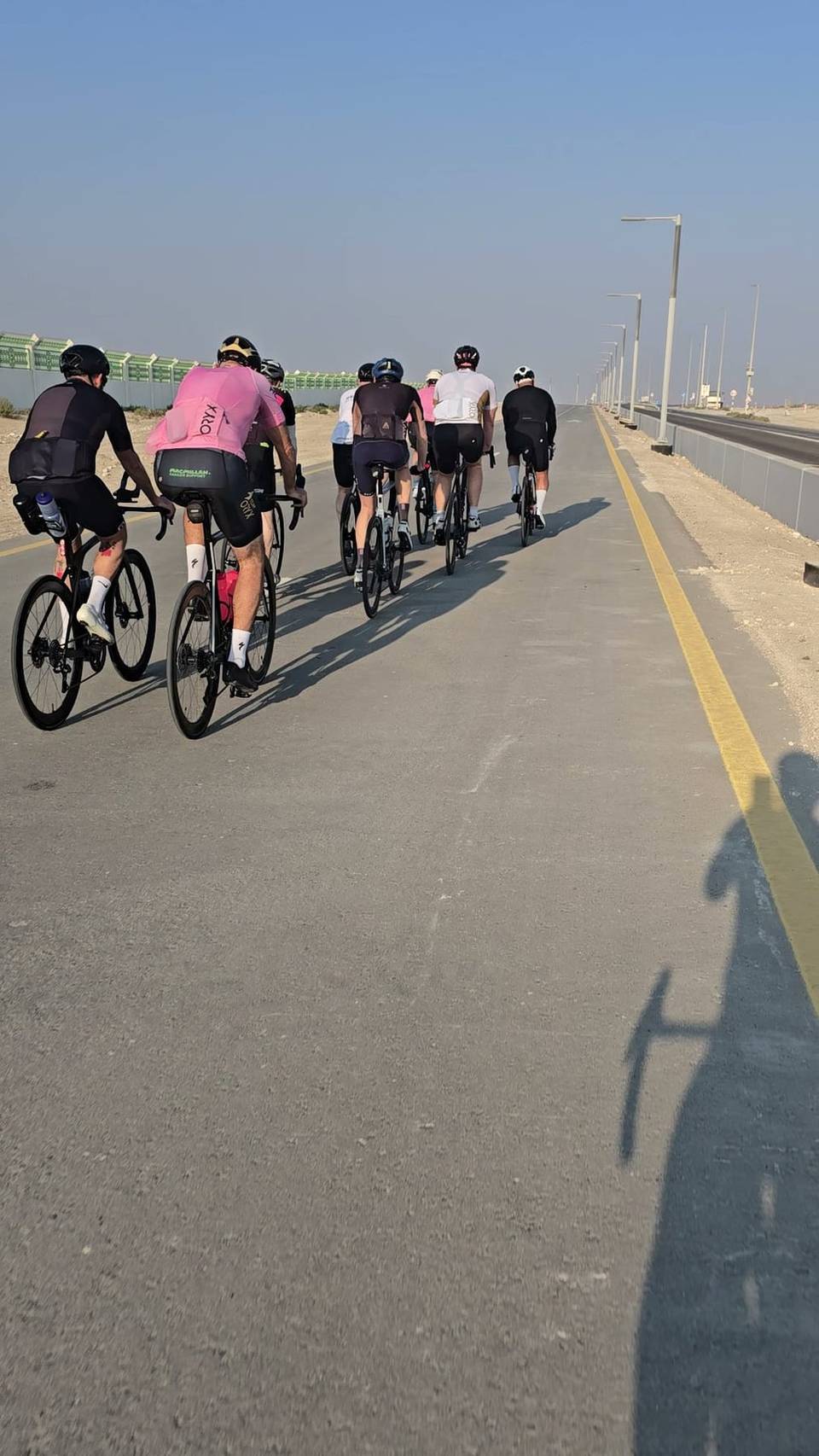
The riding in Dubai is predominantly flat with 99% classified as flat and only 1% climbing. Most routes are between 31 km and 170 km, with a median distance of 61 km. The road surface is mainly paved (92%). Terrain is mostly low gradient, though a few climbs reach over 10% gradient. The Al Qudra track was extended in 2026 and now offers a ride all the way to Abu Dhabi for a round trip distance of around 170km.
Routes include 964.5 km of cycle paths, 19% on main roads, and 3% on motorways. Nearly 437.1 km of main roads have no cycle lanes, and 212.5 km are roads with speed limits of 80 km/h or more.
The best months to ride are December to February when temperatures range from 25°C to 31°C with recorded rides in most months except September.
Best months: Dec to Feb.