Road · United Arab Emirates
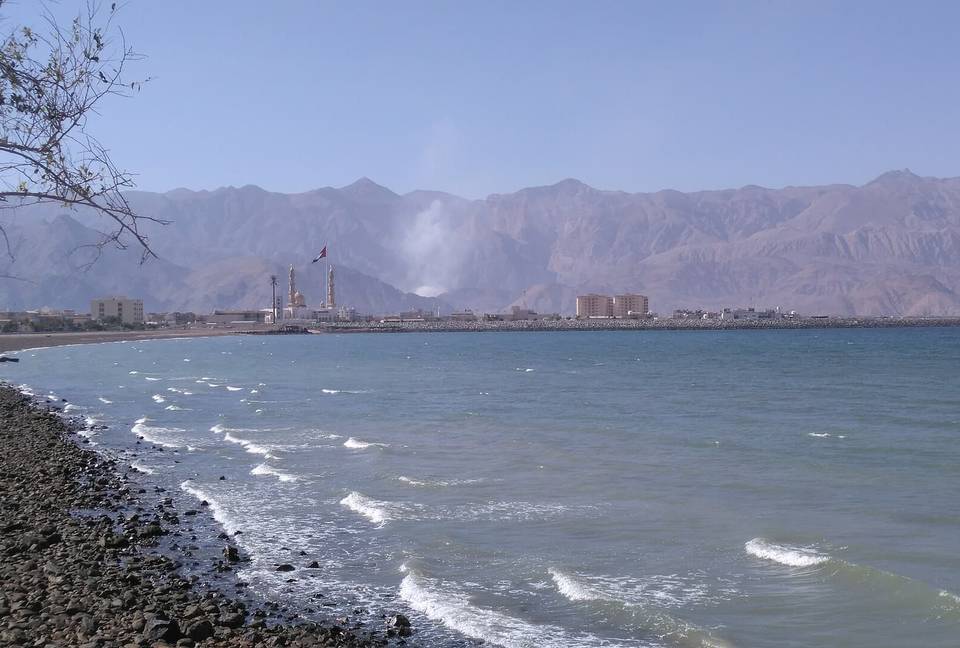
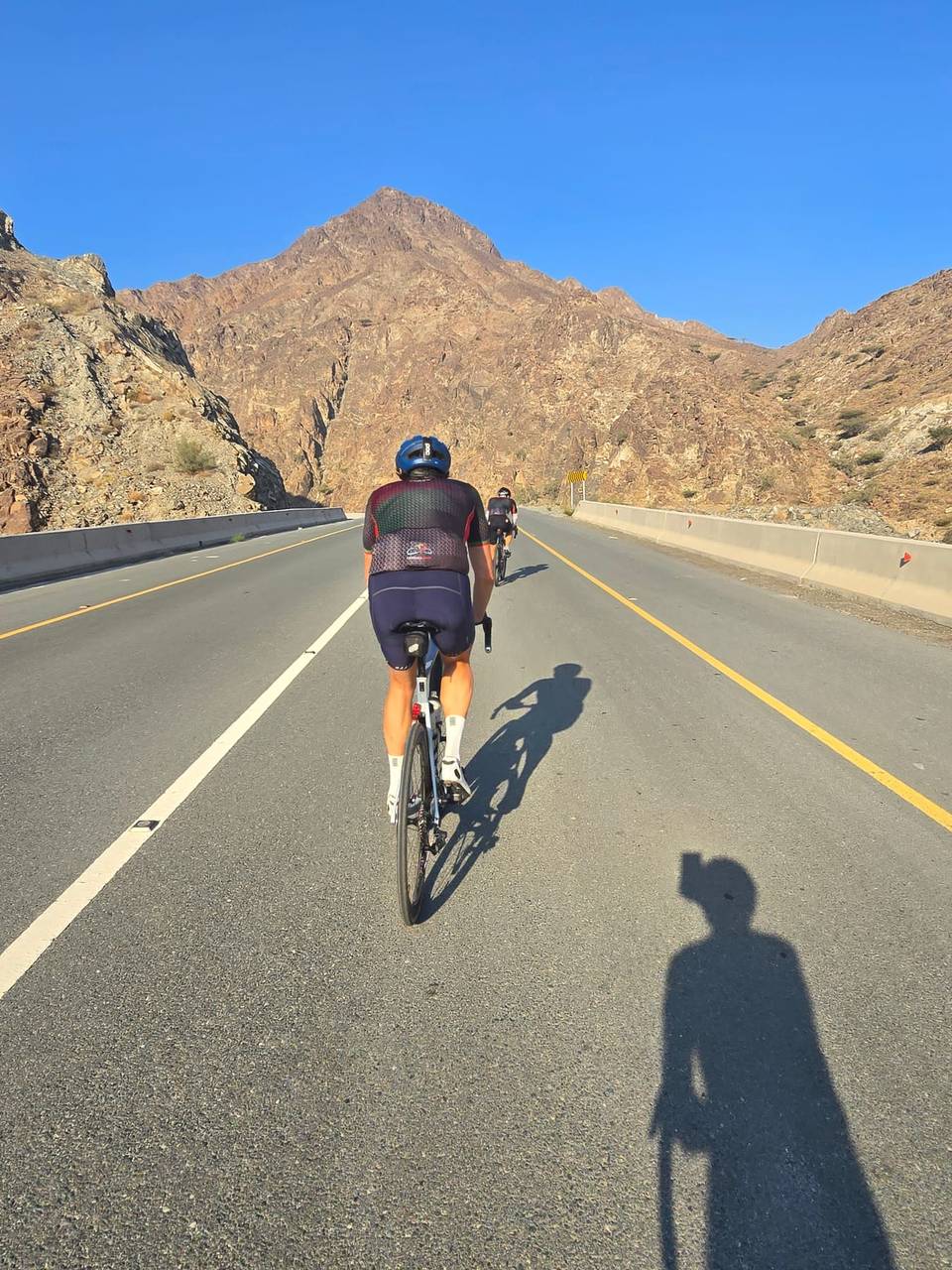
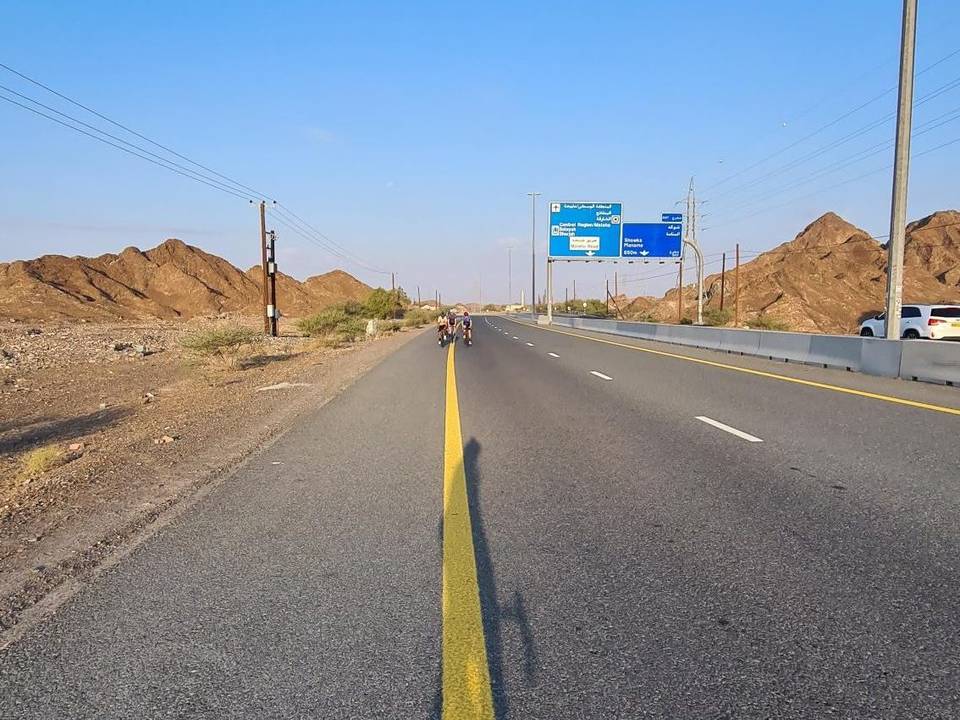
The United Arab Emirates features 96 cycling routes covering a total of 9249 km, with distances ranging from 31 km to 218 km. The regions differ significantly; Sharjah has the most climbing with 55942 m over 52 routes, while Dubai provides 24 routes but with just 1892 m of climbing. Fujairah offers 12 routes with nearly 10000 m of elevation gain, focusing on shorter but steeper climbs.
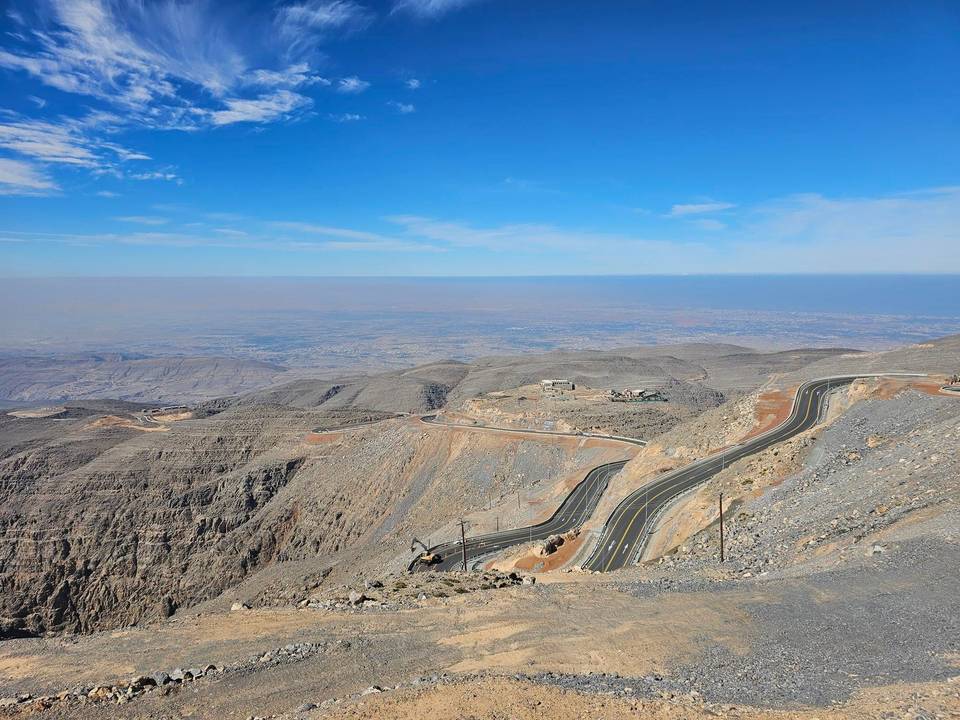
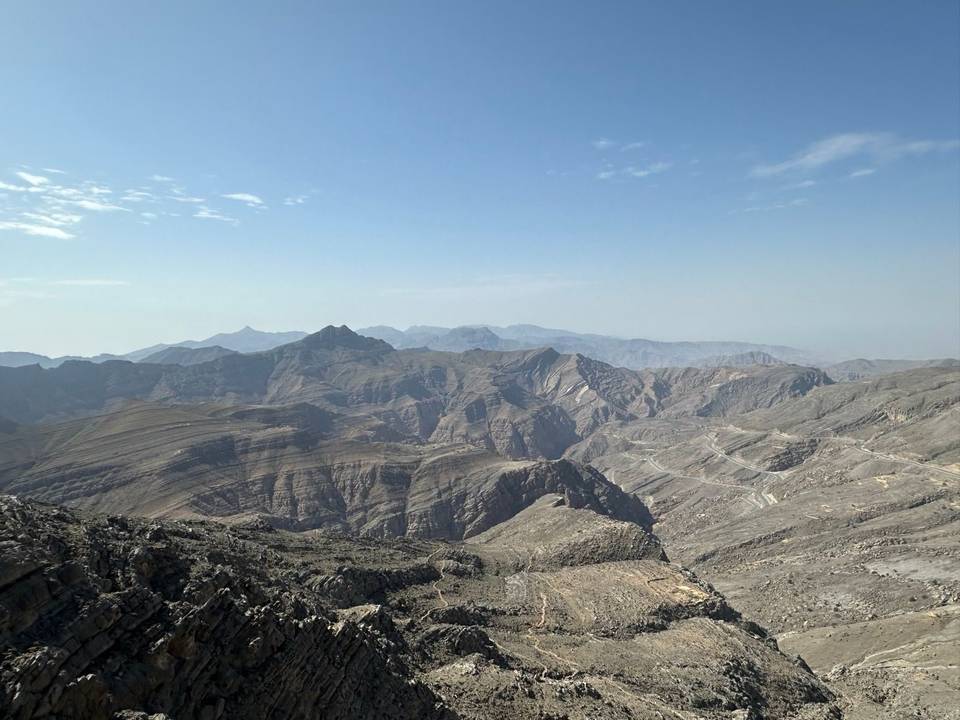
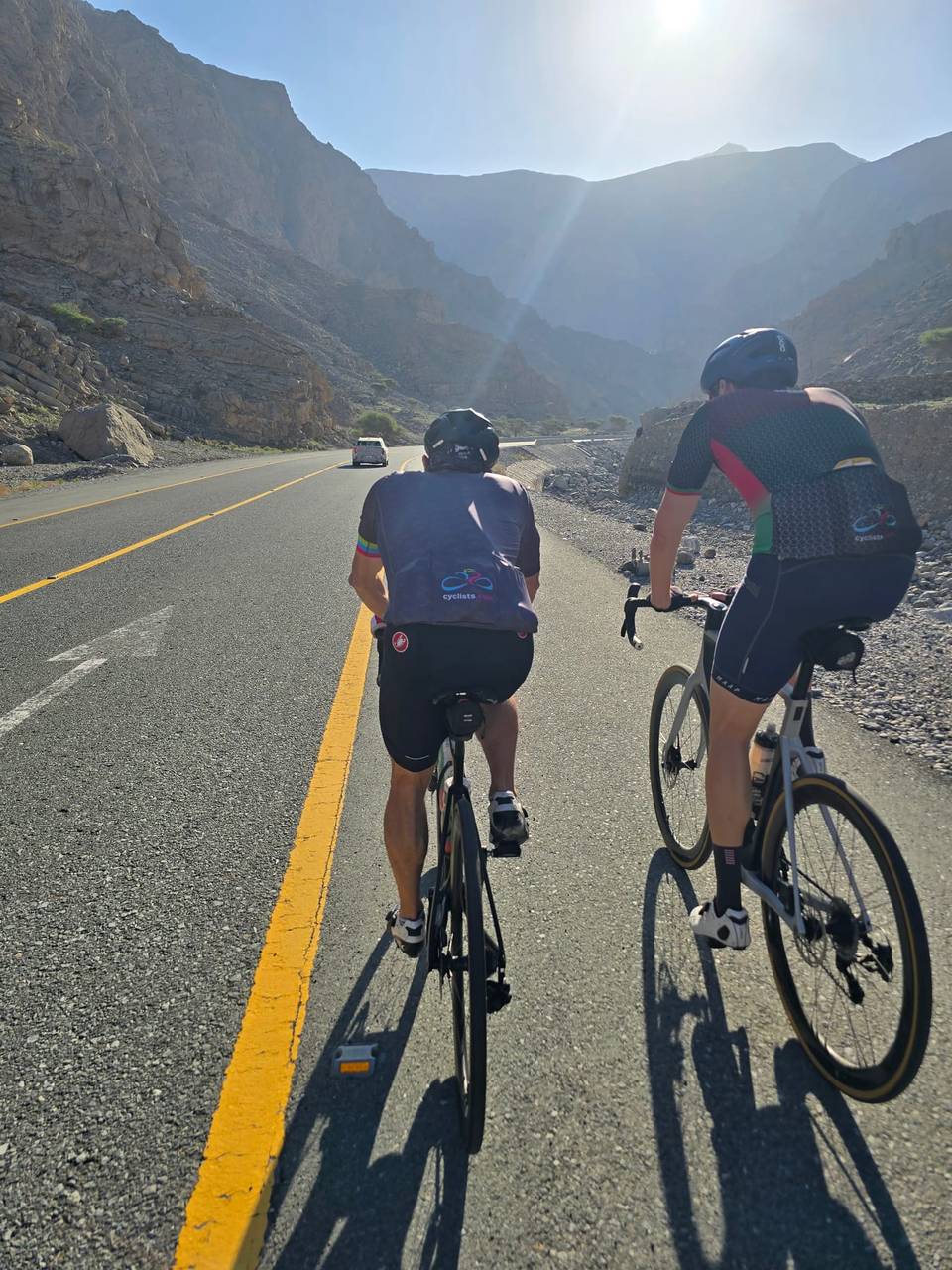
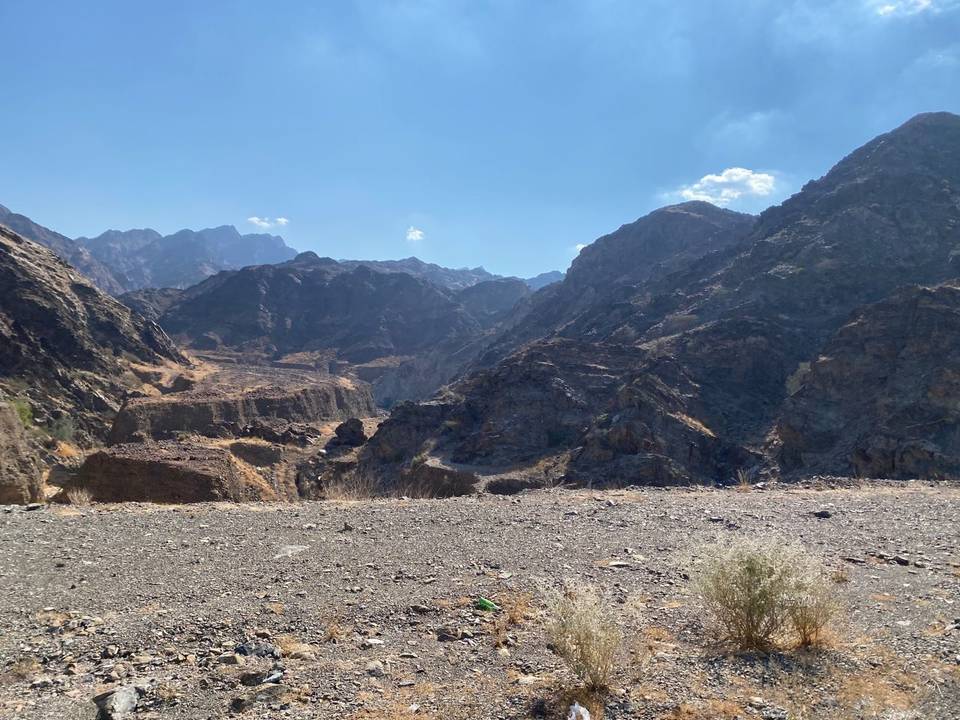
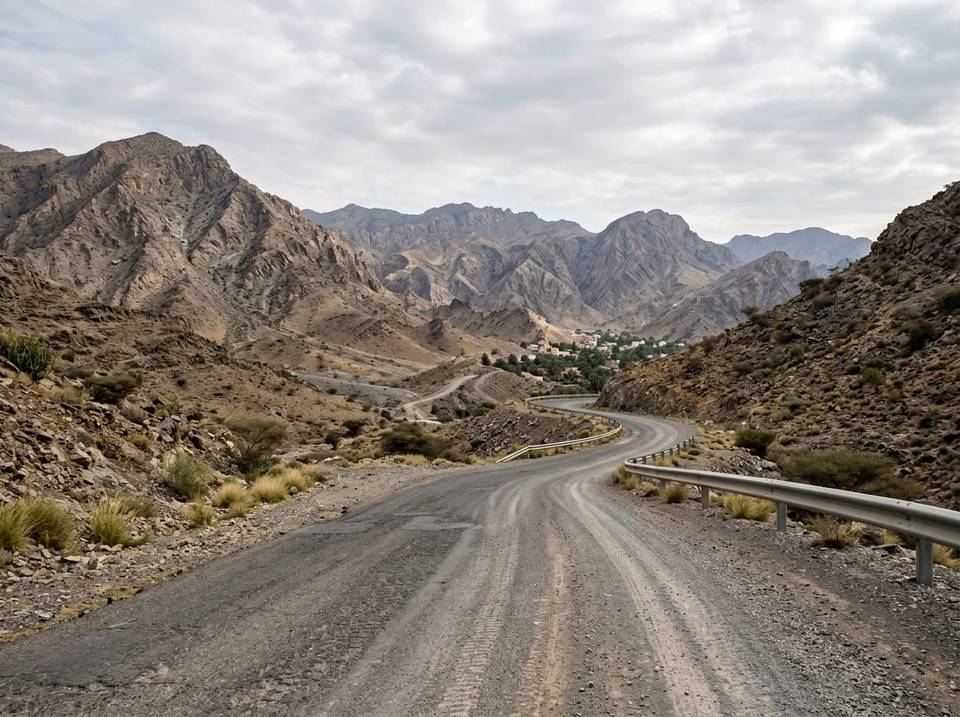
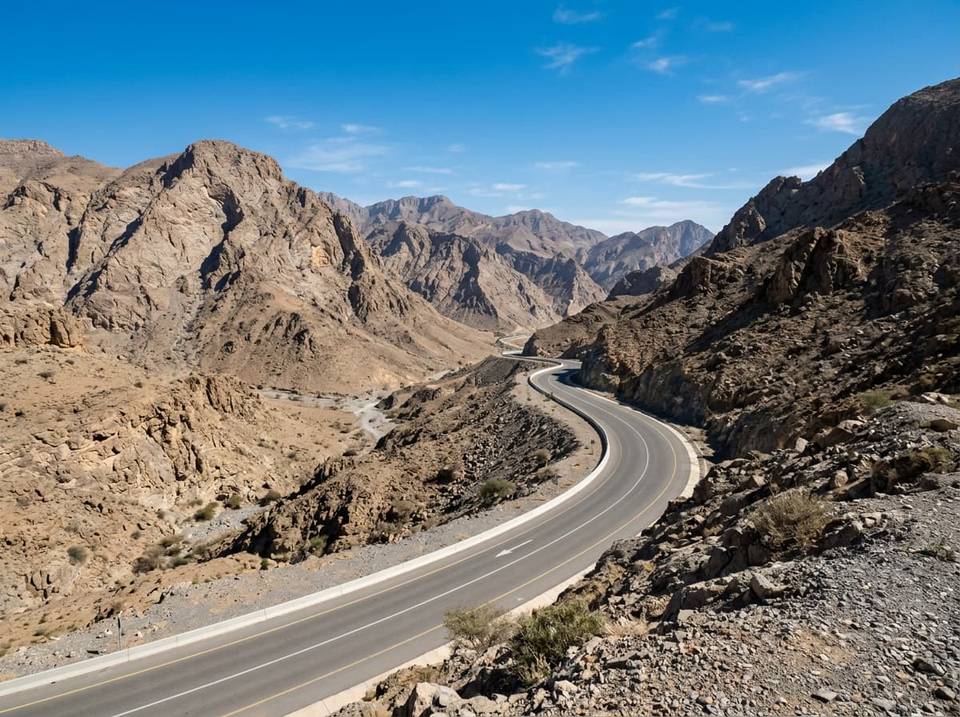
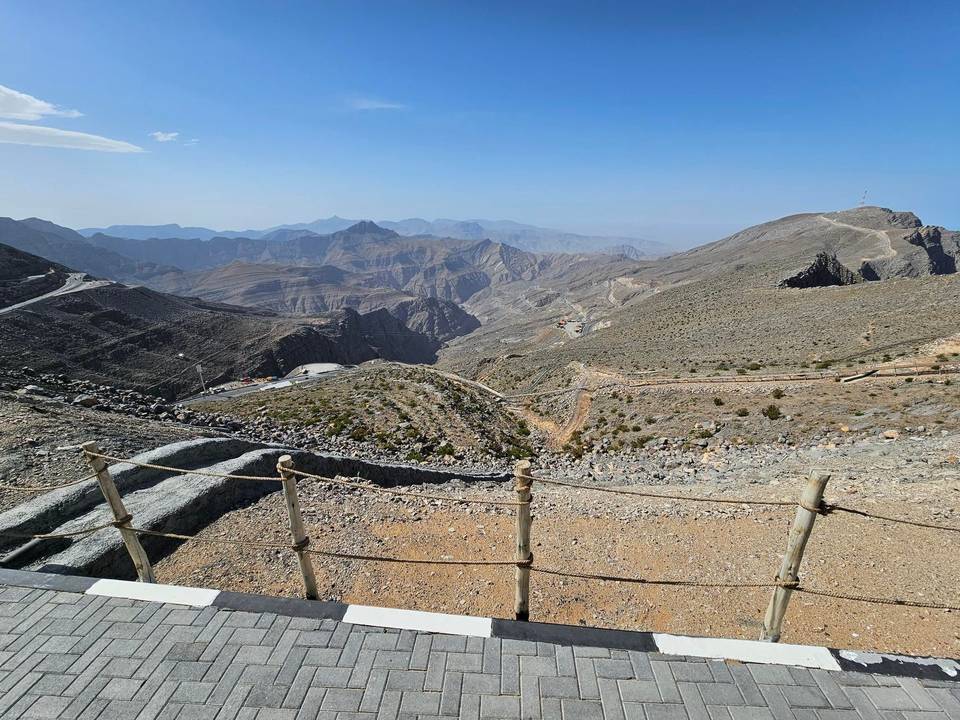
Mountain climbs are mainly found in Ras Al Khaimah, Fujairah, and Abu Dhabi. The biggest climbs are Jebel Jais (27 km, 1485 m gain), Jebel Yibir (24 km, 1356 m gain) in Ras Al Khaimah, and Wadi Shees (8 km, 1034 m gain) in Fujairah. Abu Dhabi’s notable climbs include Jebel Hafeet and Shi'bat Al Wutah, each about 10 km with over 760 m gain. Sharjah’s climbs are shorter, with Generator Hill and Al Yarmouk climbs below 9 km but still with over 400 m elevation.
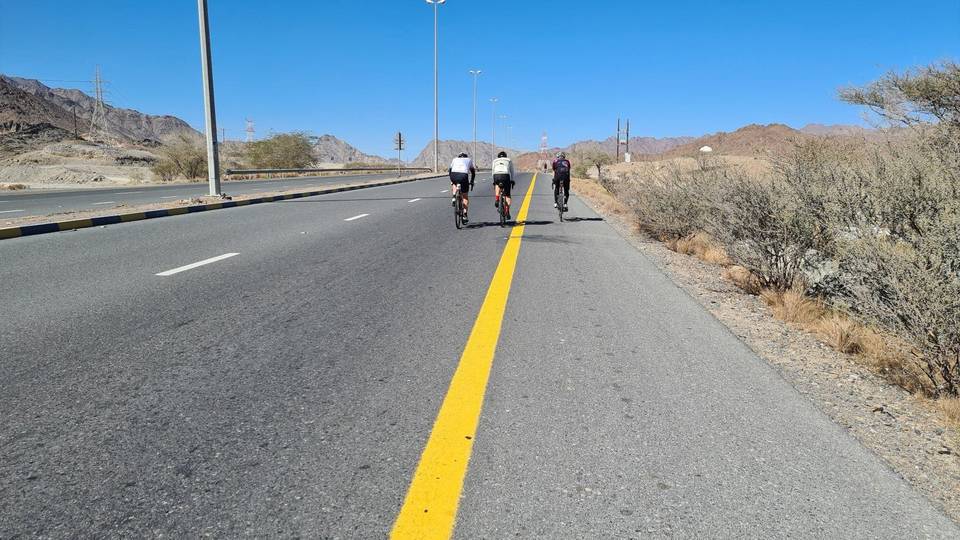
Most roads (6350 km) have no cycle lanes, and 3460 km have speed limits above 80 km/h. The route surfaces are predominantly paved (96%). The total cycle path length recorded is 784.4 km. Temperatures vary from 24°C in January to 41°C in July and August, with the best months for riding being November to March and December to February.
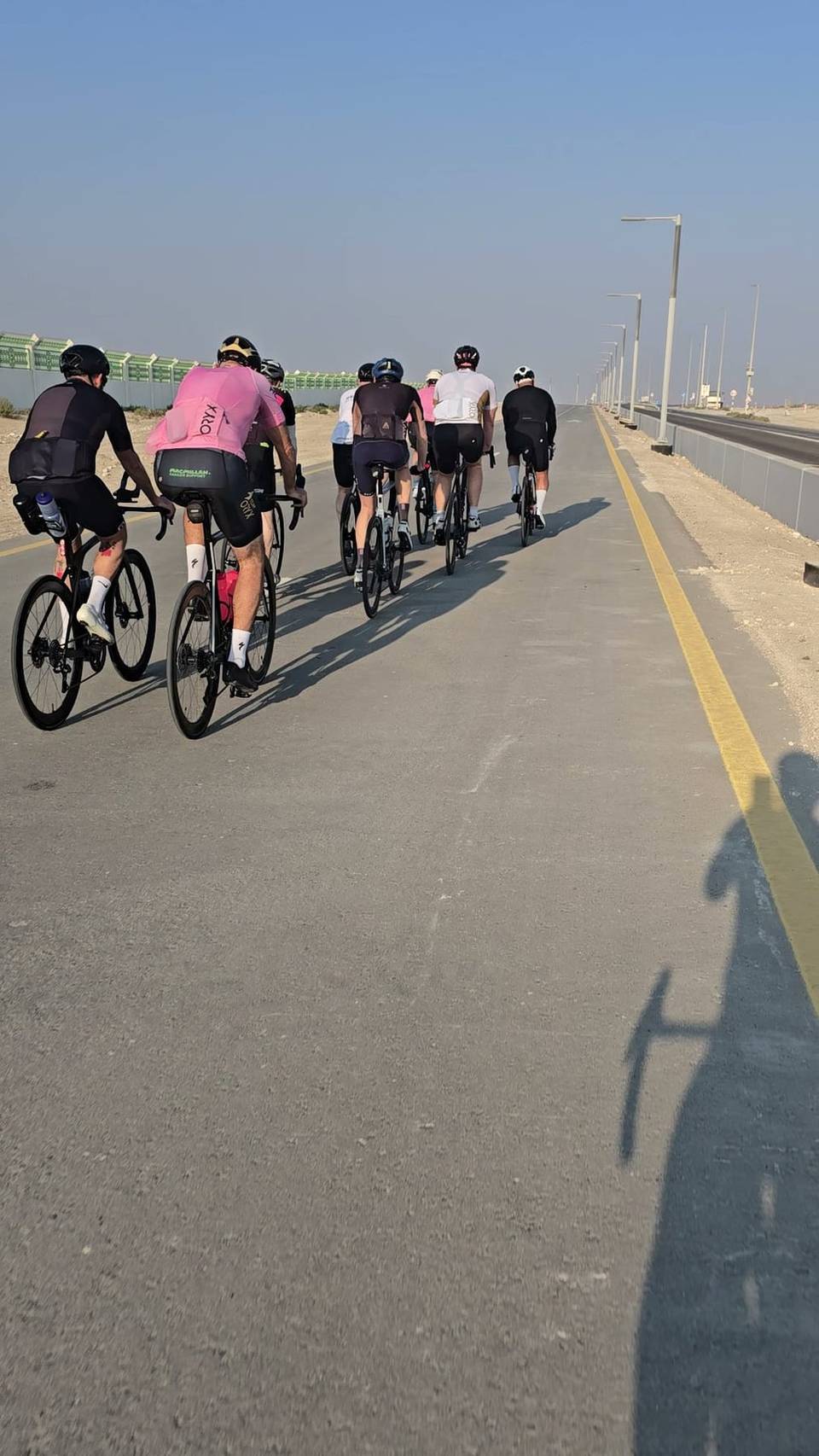
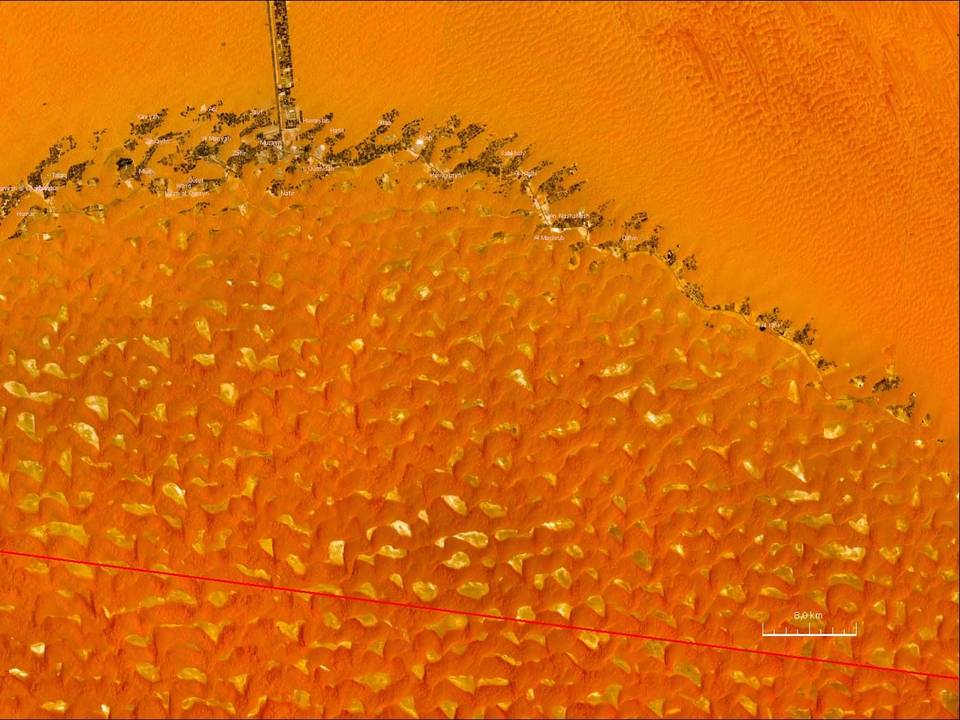
The terrain is rolling, given the climbing ranges and gradient distribution. Routes generally cover medium distances, median of 93 km, with some longer rides up to 154 km. Cycling is almost entirely on paved roads comprising mainly minor (40%) and main roads (30%), with no cycle paths. Climbing includes three notable climbs: Liwa Desert Ride at 1080 m, Jebel Hafeet with extensions at 910 m and 847 m. 71% of the routes are flat sections, with 16% climbing.
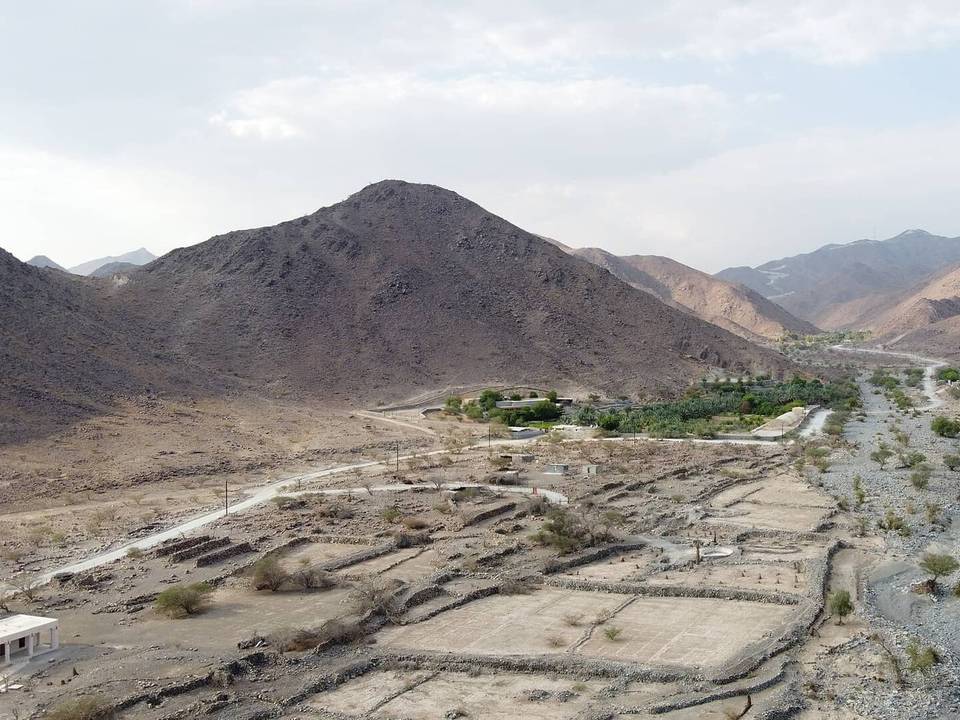
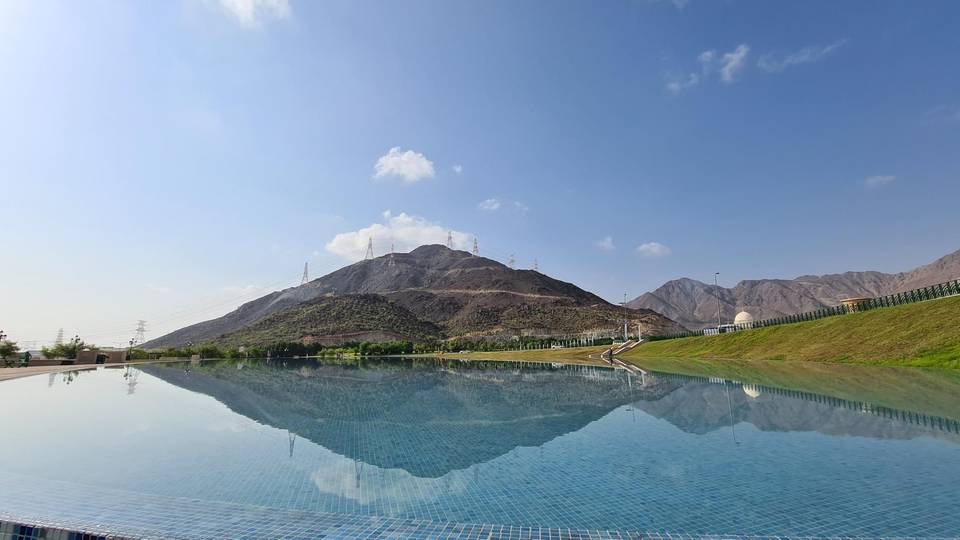
The terrain in Fujairah is a mix of flat and hilly, with 47.7 km of road above 5% gradient and 11.9 km exceeding 10%. Typical rides are long, with median length 106 km. The roads are mostly paved (98%) and consist mostly of major (55%) and main roads (21%). The largest climbs include Wadi Shees Climb (1699 m elevation gain over 59 km) and Masafi Loop (1616 m over 117 km). Cycle paths are very limited.
The terrain is mountainous with significant climbing: all routes have over 1200 m ascent, with the steepest section having a 15.7% gradient over 500 m. Average route length is around 62 km, and 44% of route distance involves climbing, while 14% is flat. The routes are mainly minor roads (96%) with the remainder on quiet streets. Surfaces are nearly all paved (99%), with very little unpaved. The Jebel Jais climbs reach up to 1772 m in elevation.
Cycling in Sharjah involves long routes with significant climbing, reaching up to 2000 m per ride. The terrain is mixed, including 58% flat sections and 21% climbing, with over 210 km above 5% gradient and nearly 33 km above 10%. Average gradients also include steep parts of up to 23.9% over 500 m. Most routes are on paved surfaces (97%). The road mix is dominated by main roads (35%), motorways (31%), and major roads (20%), with minimal cycle paths or quiet streets. The longest route covers 218 km, making the riding typically long-distance with challenging elevation.